
Roof Replacement for Dugger Homeowners
Dugger Roofing provides roofing to homeowners in Dugger, from targeted repairs to full replacements on aging coal era houses and postwar ranches. Licensed and insured in Indiana, with free inspections and written estimates before any work begins.
If we're busy helping someone else and miss your call, we'll call you back within 15 minutes.




Dugger Roofing repairs and replaces roofs across Dugger, IN: storm damage, leaks, full tear offs, and the honest inspections that decide between them. Call (765) 703-8133.
- Services: roof inspections, roof repair, emergency roof repair, roof replacement
- Service area: Dugger, Sullivan, IN and surrounding areas
- Response: Dugger emergencies move to the front of the schedule, with interim protection first
- Licensed and insured (License #RC21100059)
- Serving Dugger, IN since 2018
Schedule Your Free Roof Inspection
A roof inspection in Dugger is a hands on walkthrough, not a glance from the driveway. On older Dugger homes, we check shingle condition for granule loss, cracking, and lifted tabs, then move to the flashing around chimneys, vents, and valleys where leaks usually start. We look at the decking where visible, the ridge, the drip edge, and the areas under tree canopy where moss and debris tend to collect. Findings are documented with photos so you can see exactly what we saw, and the report lays out what needs immediate attention versus what can wait. A thorough inspection now keeps small roof problems in Dugger from turning into expensive ones next spring.
I agree to be contacted by Dugger Roofing regarding my inquiry.
Bathroom fans venting into Dugger attics write mold problems onto the underside of the roof one shower at a time. The warm moist air condenses on cold sheathing all winter, the plywood darkens along the nail lines, and the discovery usually happens during a sale, in an inspection report, at the worst possible negotiating moment. Half the black sheathing in Sullivan attics traces back to a duct that stops short.
Flashing gets replaced on Dugger Roofing jobs in Dugger, not caulked over and photographed. Step flashing woven new against walls, counterflashing cut into masonry joints, crickets built behind chimneys wide enough to need them. Most roof leaks are flashing leaks wearing shingle costumes, and the Sullivan roofs that stay dry are the ones where somebody treated the details as the job.
Wondering how much life your Dugger roof has left? Dugger Roofing reads roofs for a living: granule loss in the gutters, mat condition at the ridge, ventilation math in the attic. You get a straight number and a plan, whether the answer is two years or twelve. Call (765) 703-8133. Sullivan homeowners who plan from real numbers replace roofs on their schedule, not the roof's.
Payment Options That Work for You
We partner with established lenders so Dugger Roofing clients can spread the cost of a major roofing project into manageable payments. Ask your project lead about current options.
Pay for your project at a later time, but lock in today's pricing. Ideal for homeowners waiting on insurance settlements.
- No payments for 12 months
- No interest if paid in full
- Lock in current pricing today
Divide your project cost equally across 12 months with zero interest. Most homeowners choose this option for predictable budgeting.
- Equal monthly payments
- 0% interest for 12 months
- Simple, predictable budgeting
Spread your investment over up to 20 years with fixed equal payments. The right choice for larger projects or homeowners who prefer lower monthly amounts.
- Up to 20-year terms available
- Fixed equal payments
- Ideal for larger projects
Financing provided by Slice, Foundation Finance, Regions. Subject to credit approval. Rates, terms, and promotional periods are set by the lender and disclosed in writing before you sign.
Dugger roofs, Start to Finish
Roofing work at Dugger Roofing spans inspections through full replacements, and the crews are manufacturer-certified with documentation you can read.
Roof Inspections in Dugger
On site inspections of Dugger roofs covering shingles, flashing, valleys, penetrations, and visible decking, with photo documentation of the findings. Free and no obligation.
Learn moreRoof Repair in Dugger
Targeted repairs to Dugger roofs, including replacing damaged shingles, fixing failing flashing, sealing penetrations, and addressing leaks before they spread.
Learn moreEmergency Roof Repair in Dugger
Priority response for active roof leaks and storm damage on Dugger homes, including temporary tarping and stabilization to limit further damage until permanent repairs can be scheduled.
Learn moreRoof Replacement in Dugger
Full tear off and replacement of Dugger roofs, including new underlayment, flashing, and shingles or metal panels installed to manufacturer specification.
Learn moreDesigner Roofing in Dugger
Upgraded shingle and roofing profiles for Dugger homeowners who want a specific look, with options in premium architectural styles and colors quoted during the estimate.
Learn more
Local Expertise, Real Results
You will know the crew lead by name before tear off starts.
A documented roof changes a Dugger listing: buyers and inspectors see a registered warranty and a photo file instead of an open question. Dugger Roofing delivers the paper trail with every install.
Dugger Roofing serves Dugger and the surrounding Sullivan County communities, including Sullivan, Linton, Hymera, Farmersburg, and Shelburn. Founder Aaron Christy started the company in 2018 after years of roofing work across central Indiana, and that experience shows up on every Dugger roof we step onto. Our crews are local, licensed, and insured under Indiana license RC21100059, so you know who is on your ladder and who is answering for the work. Whether the call is a small leak on a Main Street cottage or a full tear off after a storm, we handle Dugger roofs with the same straight ahead approach.
Roofing in Dugger comes down to what the crew actually finds when they get on the roof. We inspect thoroughly, walk the field and the flashings, document conditions with photos, and translate what we see into a written estimate you can read without a decoder ring. If shingles are lifting, if step flashing is failing, if valleys are worn through, you will see it in the report before we ever quote a scope. Once work starts, we stick to the scope, keep the site clean, and finish the roof the way we said we would.
Our Promise
Every Dugger homeowner gets a free on site inspection before we talk about work or price. You get an honest written estimate with clear line items, so there are no surprise charges tacked on later. The roof itself gets clean workmanship backed by a workmanship warranty from Dugger Roofing, in addition to the standard manufacturer coverage on the shingles or metal you choose. That is the deal, plainly stated.
How We Earn Repeat Dugger Work
Our Dugger and Sullivan work runs on quality materials, careful inspection, and honest numbers.
Storm And Hail Response
When wind or hail rolls through Sullivan County, roofs take the hit first. We prioritize storm calls in Dugger, get eyes on the damage quickly, and document what we find with dated photos. That gives you a real picture of the condition and a clear path forward, whether that is a repair or a full replacement.
Local Roof Experience
Dugger housing runs from coal era two story cottages to postwar ranches with low pitch gables. We have worked on both, and we know where these roofs typically fail, from worn valleys to tired step flashing. That familiarity means fewer surprises during the job.
Full Roofing Scope
From the first inspection to the last piece of debris in the truck, everything stays under one roof. Inspection, repair, replacement, and designer options are all handled by Dugger Roofing crews. You are not passing information between three different companies to get one roof finished.
Insurance Documentation Done Right
If your roof damage in Dugger is storm related, documentation matters. We photograph the damage, note the conditions, and put it in a format your insurance carrier and adjuster can actually use. You stay in control of the claim, and we make sure nothing important gets left out of the file.
Real Jobs. Real Results.
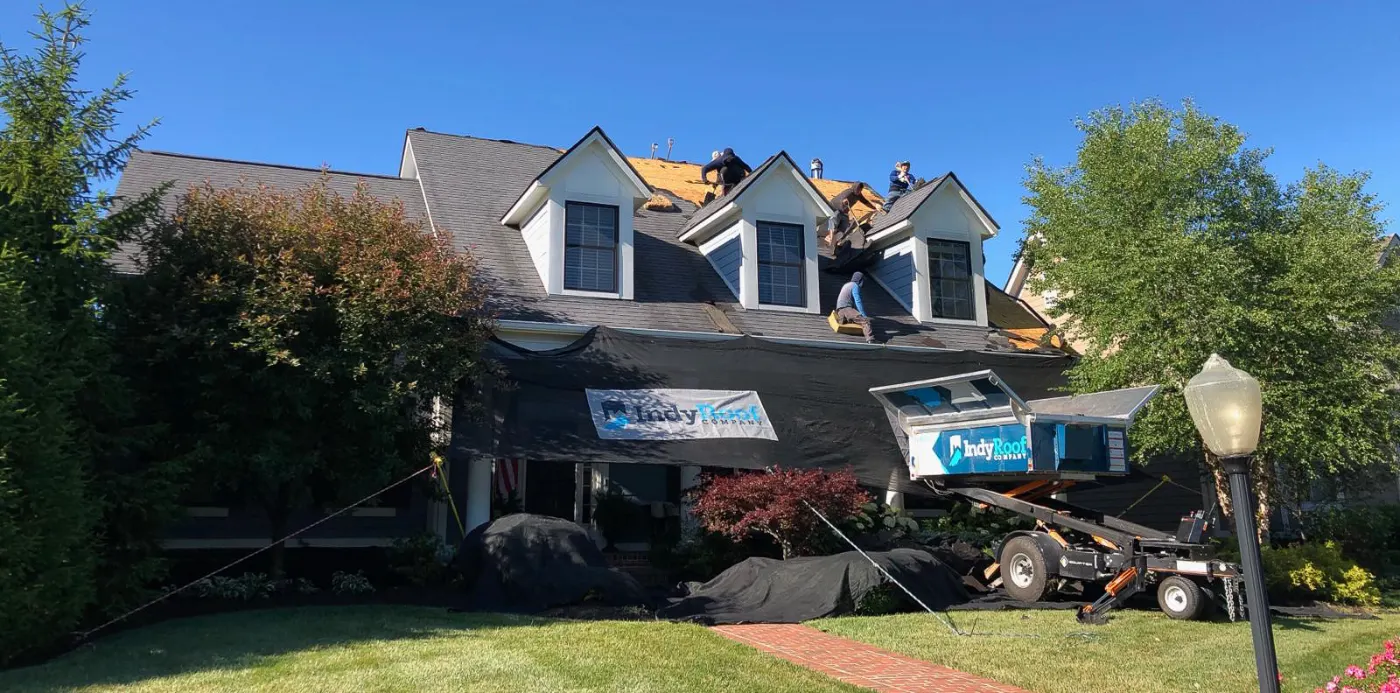
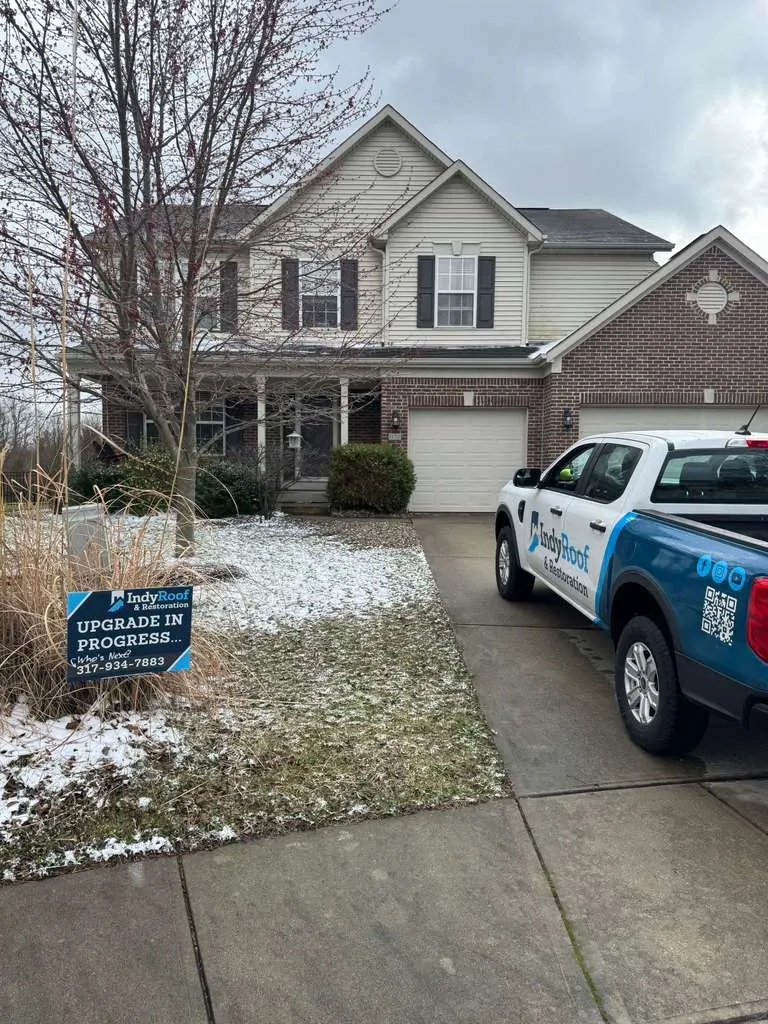
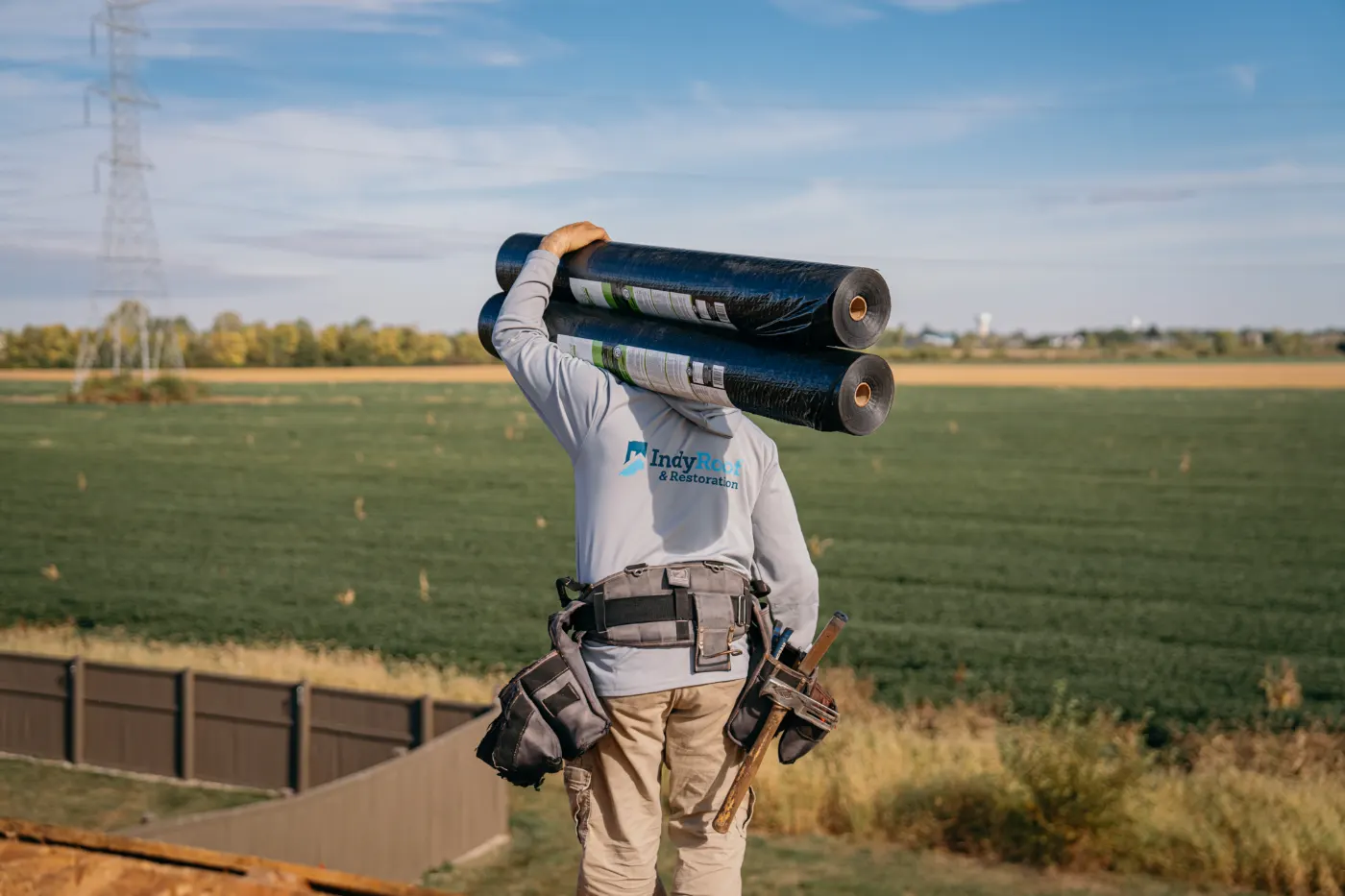
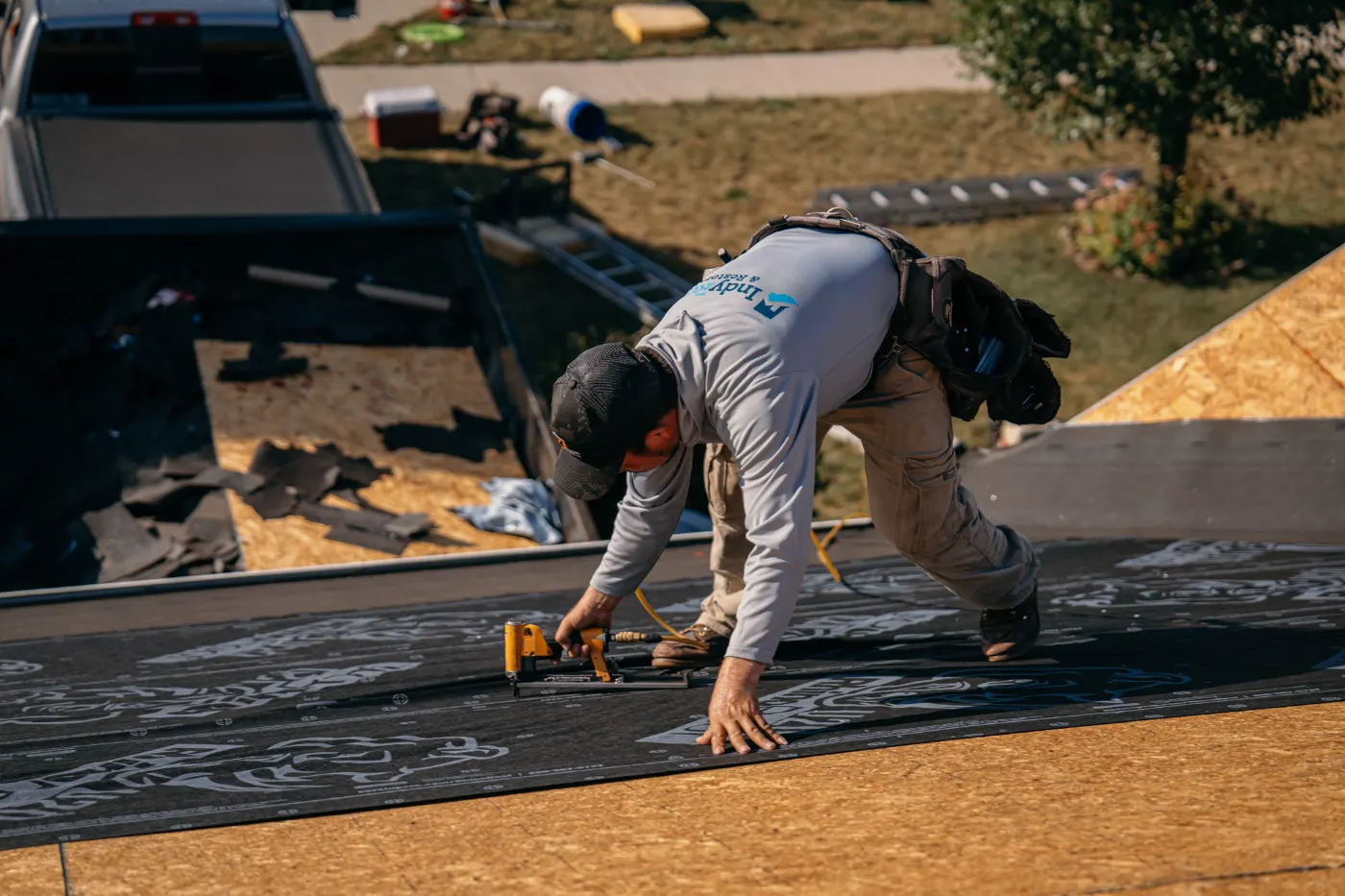
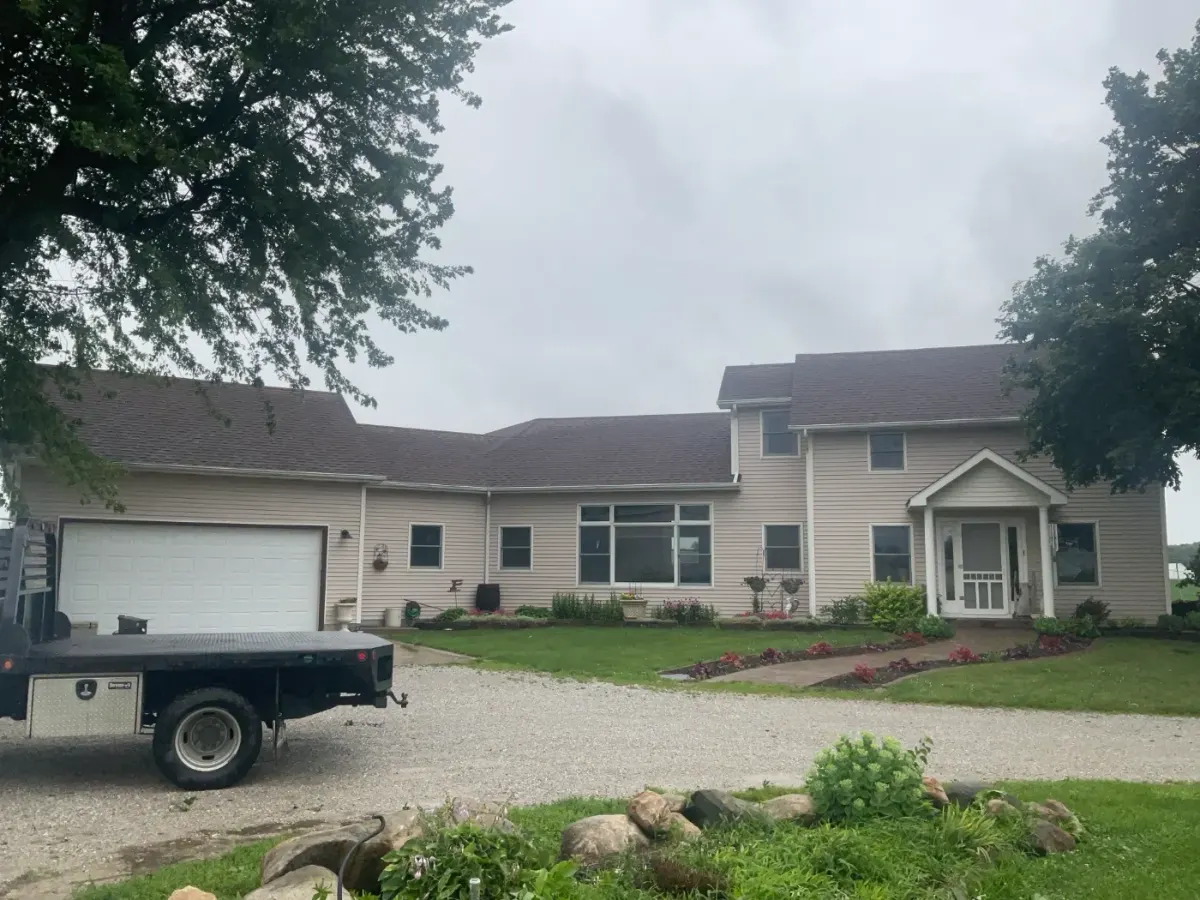
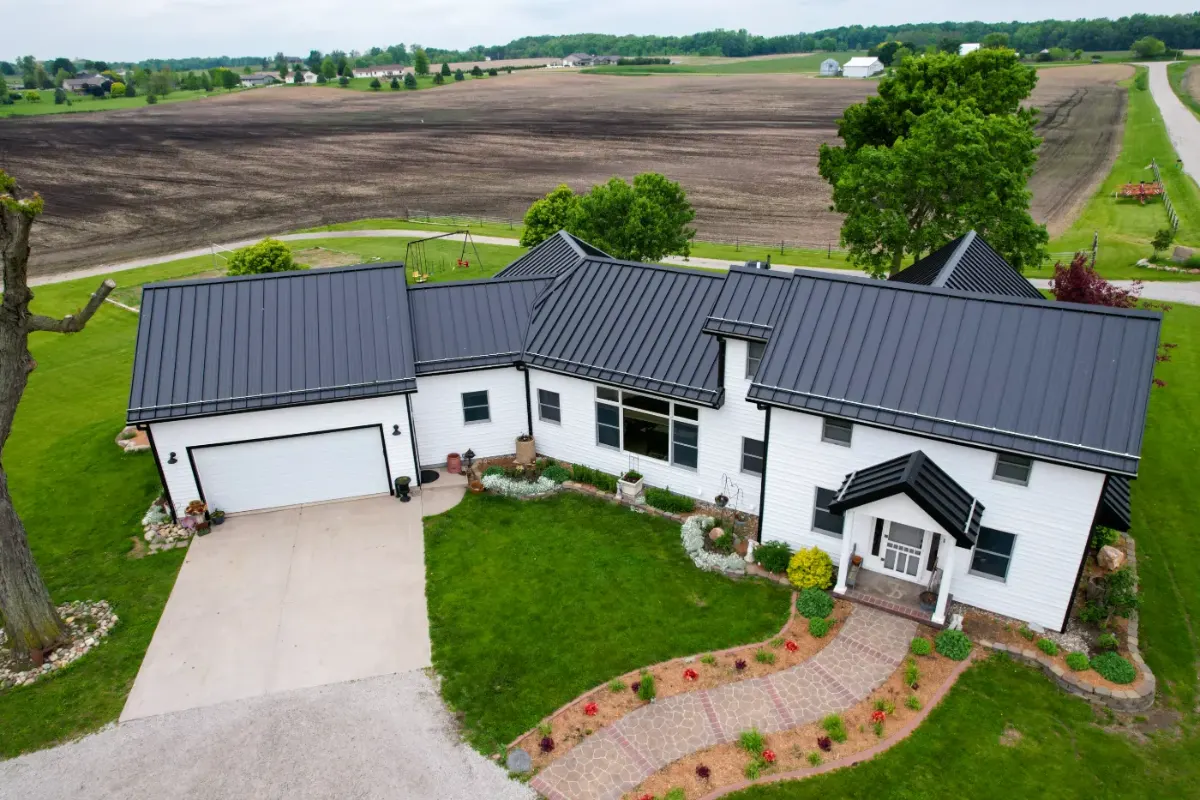
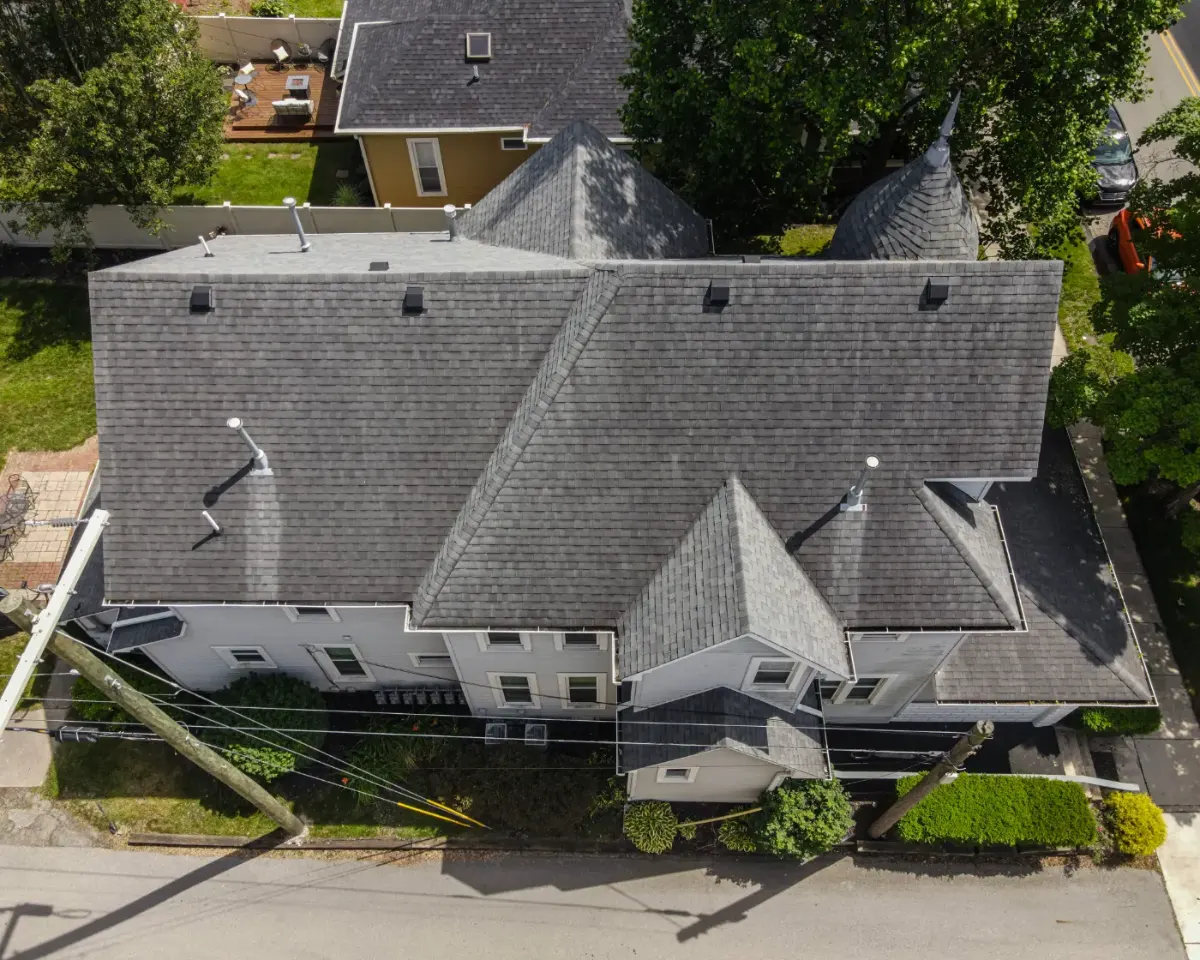
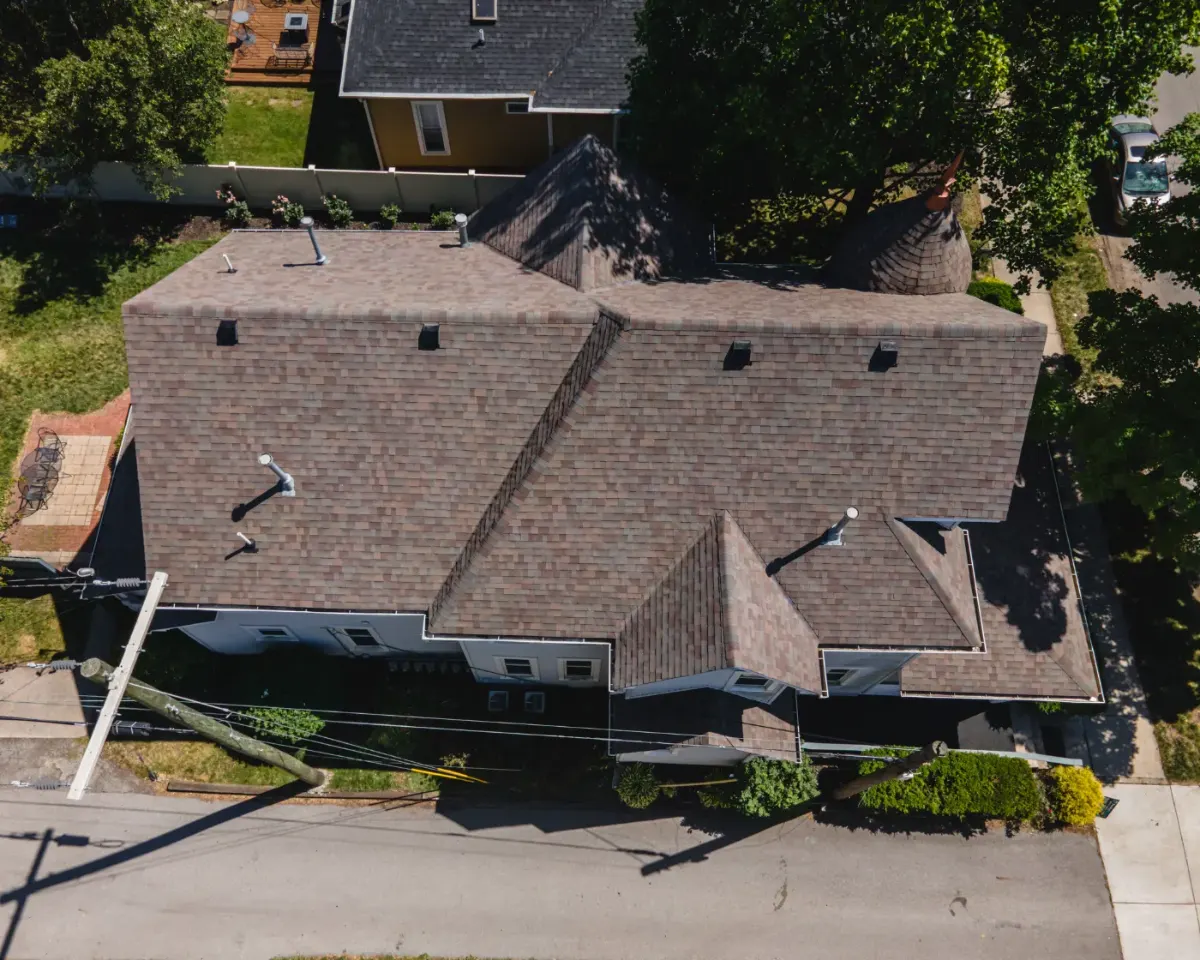
Photos from recent roofing projects completed by our manufacturer-certified crew across Dugger and Sullivan. Every project is documented with photos and a written closeout package.


What Happens on Every Dugger Roof
Every Dugger project starts with a free on site inspection. A crew member walks the roof, checks shingles, flashing, valleys, penetrations, and any problem areas you have flagged, then photographs what matters. If there is storm or age damage, you see it in the pictures, not just in a description. From there we put together a clear scope so you know exactly what work is proposed and what is being left alone, before anyone talks price or timing.
Once the scope is set, Dugger Roofing writes an honest estimate for your Dugger roof with line items you can actually read. If a storm damage claim is involved, we help document the damage properly and work alongside your insurance carrier and adjuster through the process. works with your insurance carrier, and we do not name drop policies we cannot see. Your job is to make the call to your carrier; our job is to make sure the roof evidence is complete and organized.
Scheduling in Dugger is set around weather windows and material lead times, and we tell you what to expect before the crew shows up. On work days, the team protects landscaping, sets up around the house carefully, tears off or repairs as the scope calls for, and installs the new system to manufacturer specs. Nails and debris get run with a magnet, tarps come up, and the site gets a real cleanup. A final walkthrough closes it out so you can look at the roof with us and ask anything before we pack up.
Free Inspection With Photos
We climb the roof, check the field and the flashings, and photograph what we find. You get a clear look at the actual condition, not a sales pitch. There is no obligation attached to the inspection.
Honest Written Estimate
Every Dugger estimate is written, itemized, and explained in plain language. You see the scope, the materials, and the price before any work is scheduled. If something changes mid job, we talk about it first.
Insurance Documentation
For storm claims, we document damage thoroughly and organize the evidence for your insurance carrier. You keep the relationship with your carrier and adjuster. We provide the roof side detail they need to evaluate the loss.
Clean Work, Final Walkthrough
The crew keeps the site tidy through the job and runs magnets for stray nails at the end. Before we leave, we walk the property with you and review the finished roof. If you see something, we address it on the spot.
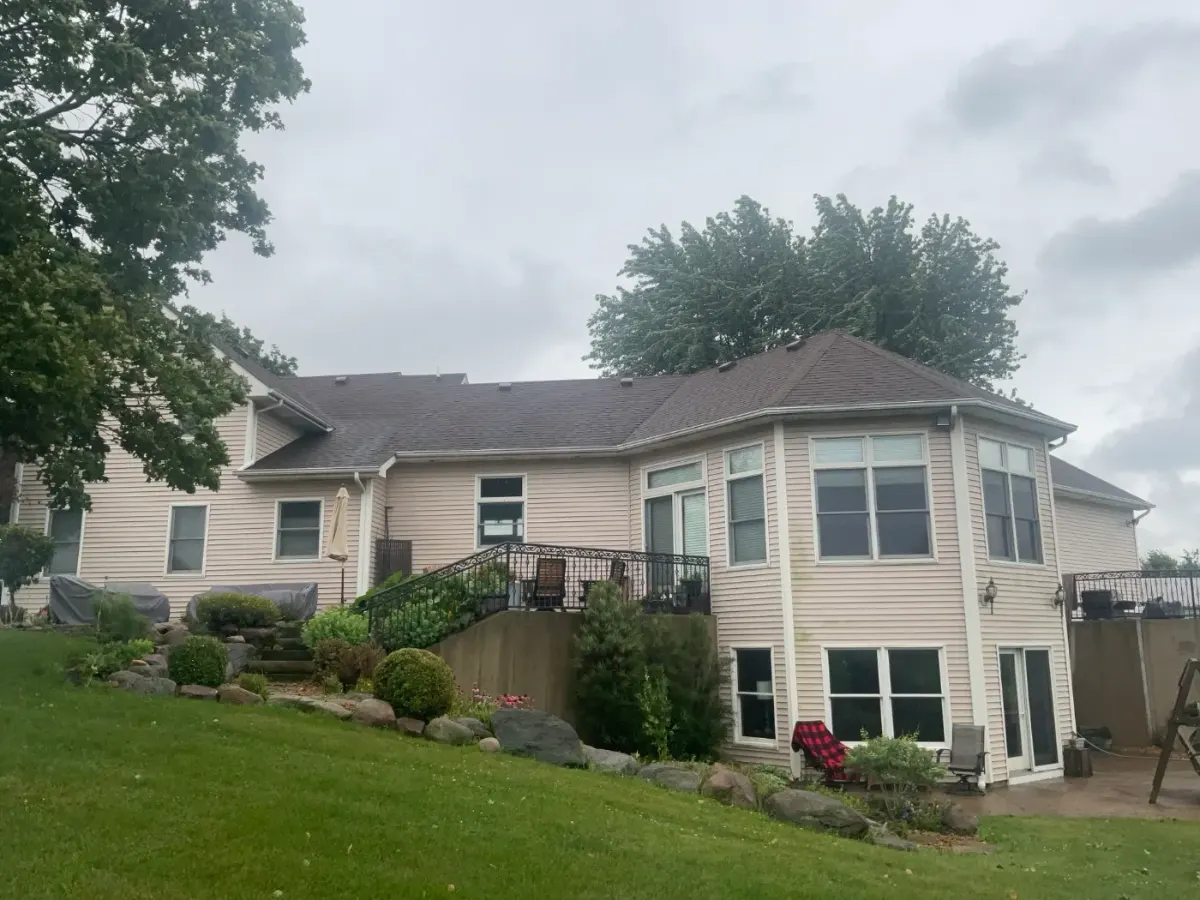
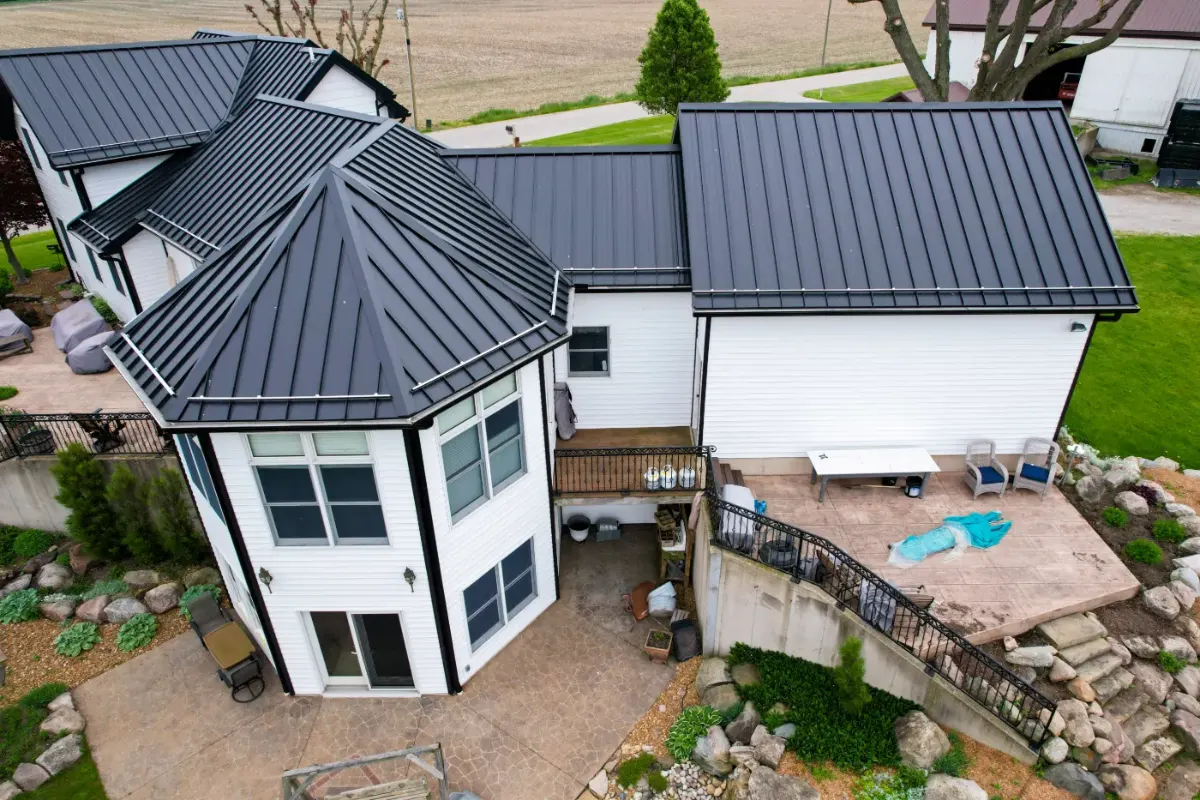
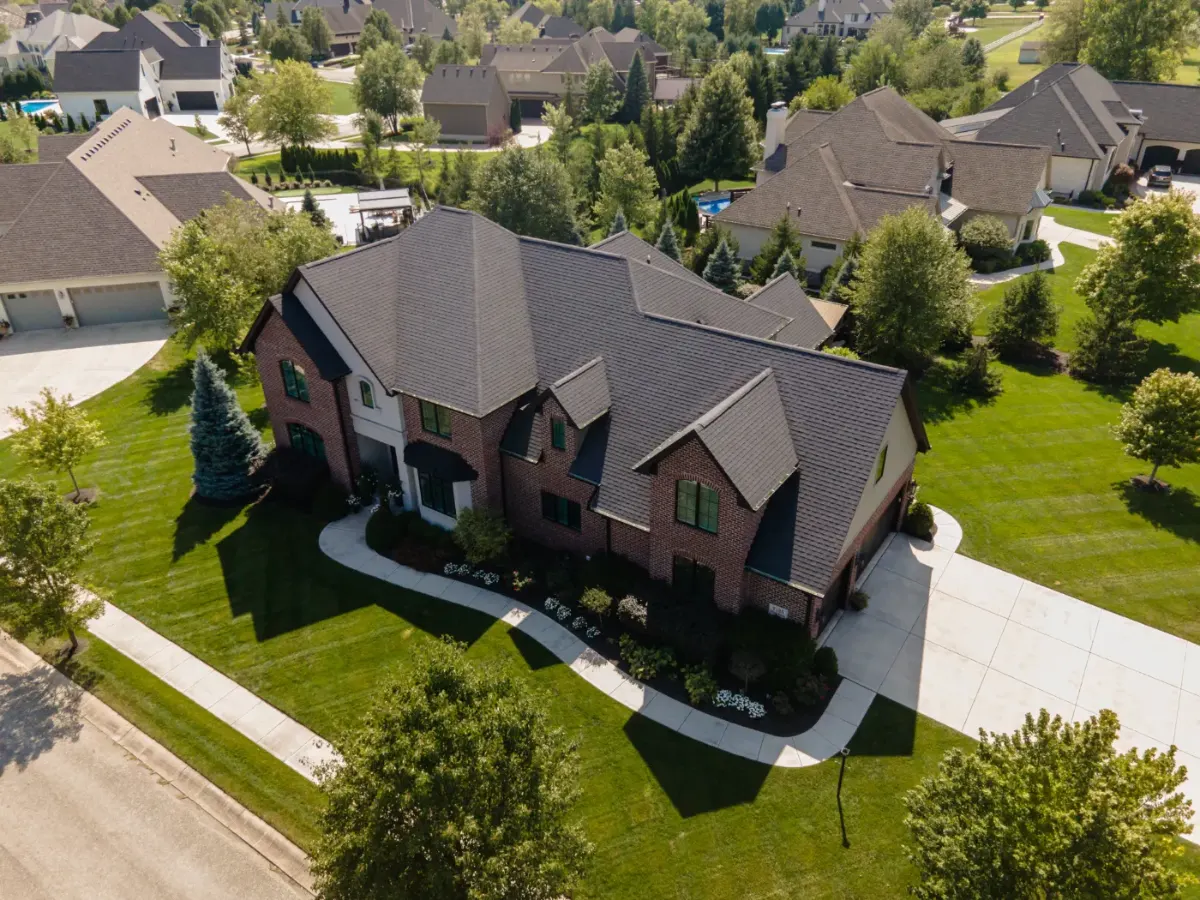
Recent Dugger Roofing Projects
5 before-and-after projects documented for the homeowner and the homeowners insurance carrier.



What we see most often on Dugger roofs
Dugger homeowners typically call us about these scenarios.
Debris Packing Into the Valleys
Valleys carry runoff from two slopes at once, so anything that slows the water there matters. Leaves and needles pack in over a Dugger winter, washed-down granules cement the pile together, and the backed-up water works sideways under the shingle laps until it finds the deck. Dugger Roofing clears the valleys during the inspection and tells you whether the metal underneath is worn through or just dirty.
Ridge Cap Shingles Lifting or Missing
The ridge takes the most wind exposure on the roof and the caps there are the first thing a Dugger storm finds. A missing cap leaves the ridge vent and the field seam open to weather. Dugger Roofing replaces caps to match and checks the vent underneath, because the opening below a lost cap is the part that actually leaks.
Gutters Pulling Away From the Fascia
When gutters sag in Dugger, the usual cause is not the gutter. It is fascia board that has softened because water has been running behind it. Dugger Roofing checks the fascia and the drip edge before quoting gutter work, because rehanging a gutter on rotten wood buys you one season.
Tree Limbs Resting on the Roof
Branches touching the roof do not have to fall to cause damage. Every breeze drags them across the same few shingles and wears the granules off a strip, so Dugger Roofing tells you which limbs are worth cutting back and which sit far enough off the slope to leave alone.
Attic That Runs Hot in Summer
An attic well above outdoor temperature is cooking the shingles from underneath and shortening the roof from the side nobody inspects. Intake and exhaust have to be balanced, not just present. Dugger Roofing measures both, calculates what the attic actually needs, and explains why the shingle warranty depends on it.
Ice and Water Shield That Stops Too Short
Where an ice barrier goes on it runs from the eave to at least 24 inches inside the exterior wall line, and plenty of older Dugger roofs got a strip at the edge and nothing more. The result shows up as a winter leak that disappears every spring. Dugger Roofing checks coverage during tear off and brings it to what the shingle manufacturer's instructions call for rather than matching what was there.
Three Simple Steps
Free inspection first, then a disciplined sequence that carries each Dugger Roofing project all the way to completion.
Free Inspection
Our review of your roof includes photo documentation of conditions and a direct, practical explanation of what turned up. Inspection times are set to fit your schedule.
Transparent Estimate
Recommended work arrives as a written outline that ties every item to a benefit for your property. Options get explained at a pace you're comfortable with, and no one pushes.
Quality Installation
Property gets respected, timelines stay consistent, and the crew works attentively. Registering the manufacturer warranty in your name is on us.
Dugger on the Deck Repair
4.9 stars across 2,307+ Google reviews.
"Honest assessment. Fair pricing. Quality work. Recommended without reservation. They will be the team I call for the next roof."
"Free inspection after a windstorm. They told us the damage was cosmetic and the roof was not ready for replacement. Most contractors would have pushed for replacement. Honest assessment."
"Roof inspection for our home sale. The report was detailed enough that buyers accepted it as part of due diligence without ordering their own. Saved us about a week of closing time."
Our Most Asked Dugger Roofing Questions
Straight answers to the questions Dugger homeowners ask most.
Indiana Weather Affects Roofs Year Round
Maintenance, repairs, and replacement work all get planned around the weather here, because Indiana runs through more of it than almost anywhere in the country. A Dugger homeowner sees hail and severe thunderstorms in spring, UV exposure over the summer, wind storms in fall, and freeze thaw cycles all winter.
Hail Bruising Shingles
Southwestern Indiana sees hail often enough that Dugger roofs pay for it over time. Hail impact bruises the mat under the granules and cracks the surface, which shortens shingle life even when the damage is not obvious from the ground. When called in after a hailstorm, we inspect slope by slope and mark hits with chalk so they show up in photos for your records.
Wind Lifting Shingles
Straight line winds and the occasional tornado, like the EF-3 that hit Sullivan County in 2023, lift and tear shingles across whole slopes. Once the seal strip breaks, water starts finding its way underneath even on shingles that still look flat. We check seal integrity across the field, not just where tabs are visibly gone, and repair or replace based on how widespread the lift is.
Ice Dams In Winter
Indiana winters swing between thaw and freeze, and Dugger homes with older insulation and ventilation are prime candidates for ice dams. Water backs up behind the ice, works under the shingles, and shows up as ceiling stains months later. We look at eave condition, flashing, and ventilation clues during the inspection and note what needs attention before the next hard freeze.
Granule Loss On Aging Roofs
Many Dugger roofs are on their second or third shingle system, and granule loss is a common tell. Once the granules wash into the gutters, the asphalt underneath is exposed to UV and the shingle ages faster every year after that. We check gutters and downspouts during inspection and flag whether the roof has years left or is closing in on replacement.
Choosing the Right Roof for Dugger Homes
An honest breakdown of the three systems we install most frequently.
Architectural asphalt is the most common choice on Dugger roofs, and for good reason. It hits the right balance between price, curb appeal, and dependable weather performance on the low to moderate pitch gables that dominate this town. The color range is wide, so you can match a coal era two story or a postwar ranch without much fuss. Manufacturer warranties on architectural shingles are strong when the roof is installed to spec, and the material handles Indiana wind and rain well when the flashings and ventilation are done right. For most Dugger homeowners planning a replacement, this is the tier we start the conversation on.
Class 4 impact resistant shingles are built to take the hail that regularly bruises standard asphalt across Sullivan County. The reinforced mat holds up better under impact, and granules tend to stay put longer through repeated spring and summer storms in Dugger. That translates to a roof that ages more gracefully in a climate where hail is a recurring reality. Before you commit, ask your insurance carrier whether your policy offers a premium credit for Class 4 materials, since some do and some do not. We can walk you through the shingle options and the tradeoffs during the estimate.
Standing seam metal is the longest lived of the three tiers and the lowest maintenance once it is on. Concealed fasteners mean fewer exposed penetrations to fail, and the smooth panels shed snow, ice, and debris that would otherwise sit on an asphalt roof under Dugger tree canopy. The tradeoff is honest, the upfront cost is meaningfully higher than asphalt. What you are buying is decades of service life with very little intervention, which pencils out for homeowners who plan to stay in the house long term. We will lay out the numbers so the comparison is real, not theoretical.
Roofing Work We Take On Around Dugger
Roof Inspections
The call usually follows a specific moment. Someone finds granules washed into a flower bed. A shingle turns up on the lawn after a windy night.
A ring appears on a bedroom ceiling and grows a little with each rain. Each of those deserves a look, and none of them tells the whole story alone. Granules can mean an aging roof or a young one shedding.
A missing tab may be isolated or the first of many. Rather than guess from the ground, we get up there and find out what is happening on your Dugger roof.
Roof Inspections in Dugger ›Roof Repair
Call for a repair in Dugger when something is clearly wrong but the roof as a whole still looks sound. A stain that keeps growing. A few shingles gone after a storm.
Water at the chimney every time rain blows from one direction. Those are repair problems, not replacement problems, and treating them early keeps them that way. Wood stays dry, insulation stays useful, and the ceiling stays a ceiling.
Waiting is how a repair turns into a project. If you aren't sure which side of that line you are on, we will look and tell you straight.
Roof Repair in Dugger ›Emergency Roof Repair
The trigger is usually something you can hear or see from inside. A steady drip in a room that has never leaked. A brown circle spreading across the ceiling while you watch.
A crack and a thud during a storm, then a draft that wasn't there before. Sometimes a neighbor knocks and points up at your roof. Any of those means the outer layer has been breached.
Please don't climb up to check, especially on a wet roof. Call, describe what you see, and let someone with proper footing look at your Dugger home.
Emergency Roof Repair in Dugger ›Roof Replacement
A new roof is not a cure for everything a house does. If ceiling stains come from a bathroom fan venting into the attic, fresh shingles will not stop them. If the gutters are undersized, water still runs behind them.
We say so beforehand rather than after, because a homeowner who spends a large sum and still sees a stain is right to be angry. This also isn't an emergency in most cases. A sound roof in Dugger can usually wait for a good stretch of weather and an unhurried decision.
Roof Replacement in Dugger ›Designer Roofing
Designer roofing comes up when the roof is a big part of how a Dugger home looks. Steep pitches, dormers, a wide face toward the street: on houses like these, the shingle is no background detail. People also ask about it when a standard roof would look flat against brick or stone.
If your roof is due for replacement anyway, this is the moment to weigh it, because the labor is largely the same and the difference lands mostly in the material. If the roof still has years left, there is no hurry at all.
Designer Roofing in Dugger ›The Repairs We Inherit on Dugger Roofs
A fair share of what we find on a roof was put there by whoever came before us, and it usually tells a clear story. The most common inheritance is a second layer of shingles laid straight over the original. It saved somebody a day of labor once, and now the deck carries weight it was never framed to hold, fasteners cannot reach solid wood, and nobody has laid eyes on the sheathing in a very long time.
Fastening is the next thing we study. Shingles have a narrow band across the face where the nail belongs, and driving above it leaves the head gripping nothing but the tab above.
High nails, overdriven nails that cut through the mat, and staples left over from an older habit all reveal themselves the same way in wind. Whole runs of tabs come off in a storm the neighbors sleep through, and the homeowner is left believing the material failed.
Then there's the sealant. Somewhere along the way, a tube of caulk became the answer for every joint on a roof. We find it smeared across chimney flashing, packed around a split pipe collar, and troweled into a valley as a patch.
It buys a season or two, cracks in the first hard cold, and by the time it lets go the wood underneath has usually taken on water. Metal, lapped in the right order and fastened where running water can't reach the fastener, is what belongs in every one of those places.
Inside the attic the same pattern repeats. Bath fans blowing into the insulation instead of out through the roof or a wall, a ridge slot cut too narrow to move any air, or no slot cut at all beneath a vent that looks perfectly fine from the ground. We photograph every bit of it before we touch anything, partly so you can see what you have been paying to keep dry and partly so there's no argument later about what was already there when we arrived.
Repairs Do Not Wait for Good Weather
A roof fails on its own schedule, which tends to mean a weeknight in the middle of a storm. What matters at that point isn't the season.
It's how fast somebody can get there and how much of the water they can stop before it works its way down into the drywall and the insulation. So repair work runs all year for us, in whatever the weather is doing, and the approach shifts with the conditions instead of pausing.
In mild weather a repair is usually the whole job. We find the source, open up as much as we need to, replace what failed, and put it back properly. In the cold or the wet, the job often splits in two.
First comes stopping the water, which might mean a properly fastened cover over an open area, a temporary seal at a failed joint, or clearing an ice dam so the water behind it can get off the roof. Then the permanent repair follows when conditions allow it to be done right rather than merely done.
Inside the house, the first hour matters more than people think. Move what you can out from under the drip, put a bucket down, and if a ceiling is holding water in a bulge, it's better to poke a small hole at the low point and let it drain into a container than to let the whole section come down at once. Take photographs of everything before you clean it up, since your insurance may want them and memory is a poor substitute.
What you should expect from a contractor in that moment is a straight answer about when somebody can be there and what they will be able to do once they arrive. Weather can make a roof genuinely unsafe to walk, and anyone who tells you they will be up there in the middle of a lightning storm is telling you something about their judgment. Getting you dried in comes first, and the roof gets sorted out properly right after.
Before You Sign and While the Dugger Job Runs
The questions split neatly into two groups, and mixing them up is how people end up frustrated. Before you sign, the questions are about scope and accountability.
What exactly is coming off, what is going back on, who is doing it, what happens when the wood is worse than expected, and what the workmanship coverage says in writing. Those all have to be settled while you still have the option of hiring somebody else, because afterward they become requests rather than terms.
Once the job is scheduled, the questions become logistical, and they're worth asking a few days out. What time does the crew arrive and how many days is this expected to take. Where should the dumpster sit and where do you need cars moved from.
Will the material be delivered ahead of time and is it going on the roof or in the driveway. Does anybody need to be home, and how does the crew get to the attic if there's work to do inside.
During the job, the useful questions are short and specific. At the end of the first day, once the tear-off is done, ask what the deck looked like and ask to see the photographs while the roof is still open.
That's the moment when everything hidden becomes visible, and it's the last chance to see it for another few decades. If anything is being added to the price, that is when you should be hearing about it, well before the last day.
After the last shingle goes on, there are only a couple left. Walk the property with the lead, look at the flashing details up close where you can reach them, and get the final paperwork including the workmanship terms and whatever registration the material coverage requires.
Ask when the town inspector is coming if a permit was pulled. Then keep the folder somewhere you will find it, because the next person to need it might be a buyer's inspector some years from now.
Allowances on a Dugger Roofing Quote
No roofer can see under your shingles before the tear-off, so an honest estimate handles the unknowns openly instead of pretending they don't exist. That's what an allowance is. It is a stated amount of a particular kind of work included in the price, with a rate attached for anything beyond it, so nobody is guessing and nobody is negotiating from a bad position on the day.
Decking is the big one. Ours names a rate per sheet or board and includes a quantity in the base price, which covers what a typical house of that age turns up. If the deck is worse, the extra is priced at the same rate you already agreed to instead of at whatever seems reasonable while the roof sits open.
If the deck is better than expected and we use less than the allowance, that comes off the final bill. An allowance that only moves in one direction isn't really an allowance.
The other common ones are flashing and fascia. A chimney sometimes turns out to need the counterflashing cut into the mortar rather than surface mounted, and a fascia board can be sound at the corners and rotten in the middle where you cannot see it until the drip edge comes off. Both get handled the same way: a written price, photographs, your approval, and only then the work.
What separates a real allowance from a loose one is the process wrapped around it. Work should stop. You should get pictures of the specific area with enough context to know where on your house you are looking.
You should get a price in writing before anything happens, and you should have the option of saying no or of choosing a different approach. If a contractor cannot describe that sequence to you before you sign, the allowance in their estimate isn't there to protect you. It's there to protect their number, and you will discover the difference on the one morning you have the least room to do anything about it.
What the Written Estimate Actually Says
A number spoken in your driveway is worth nothing. What you should end up holding is a document that describes the job well enough that a different crew could pick it up and build the same roof. Ours starts with the measurement, the slopes and their pitches, and the total area in squares, so you can see that the price is tied to something countable instead of to a guess about your house.
Under that come the line items in the order the work happens. Tear-off and how many layers are coming off, disposal, the decking allowance with a rate per board or sheet and a quantity included, the underlayment, the ice and water membrane at the eaves and in the valleys, starter along the rakes and eaves, the field material, hip and ridge, and every piece of flashing by location. Ventilation appears on its own line with the intake and exhaust listed separately, because that's a decision you should get to make on purpose.
The parts that aren't included matter just as much. Our exclusions are written out where you can see them, along with the specific conditions that would trigger a change order and how you would be notified. Any change gets photographed, priced, and approved by you in writing before the work happens, so the last day of the job holds no surprises.
The back page covers the ordinary business items. How the payment schedule works and what's due when, roughly how long the job takes on a house like yours, who is responsible for the permit if your town requires one, what the workmanship coverage includes and for how long, and how that differs from the material coverage that comes from whoever made the shingles.
Read that page carefully, because it's where most of the disputes we hear about would have been prevented. If anything in it is unclear, ask, and if the answer you get is vague, ask again until it's written down in words you would be comfortable reading back to somebody a year from now.
What Else Dugger Asks Us
Inside Dugger: The Roofs Behind Us
Roofing projects completed across Dugger's neighborhoods and surrounding areas. Click any neighborhood for the specifics we have learned working there.
Where we respond near Dugger
Indiana-licensed crews dispatched to Dugger and the closest surrounding communities.
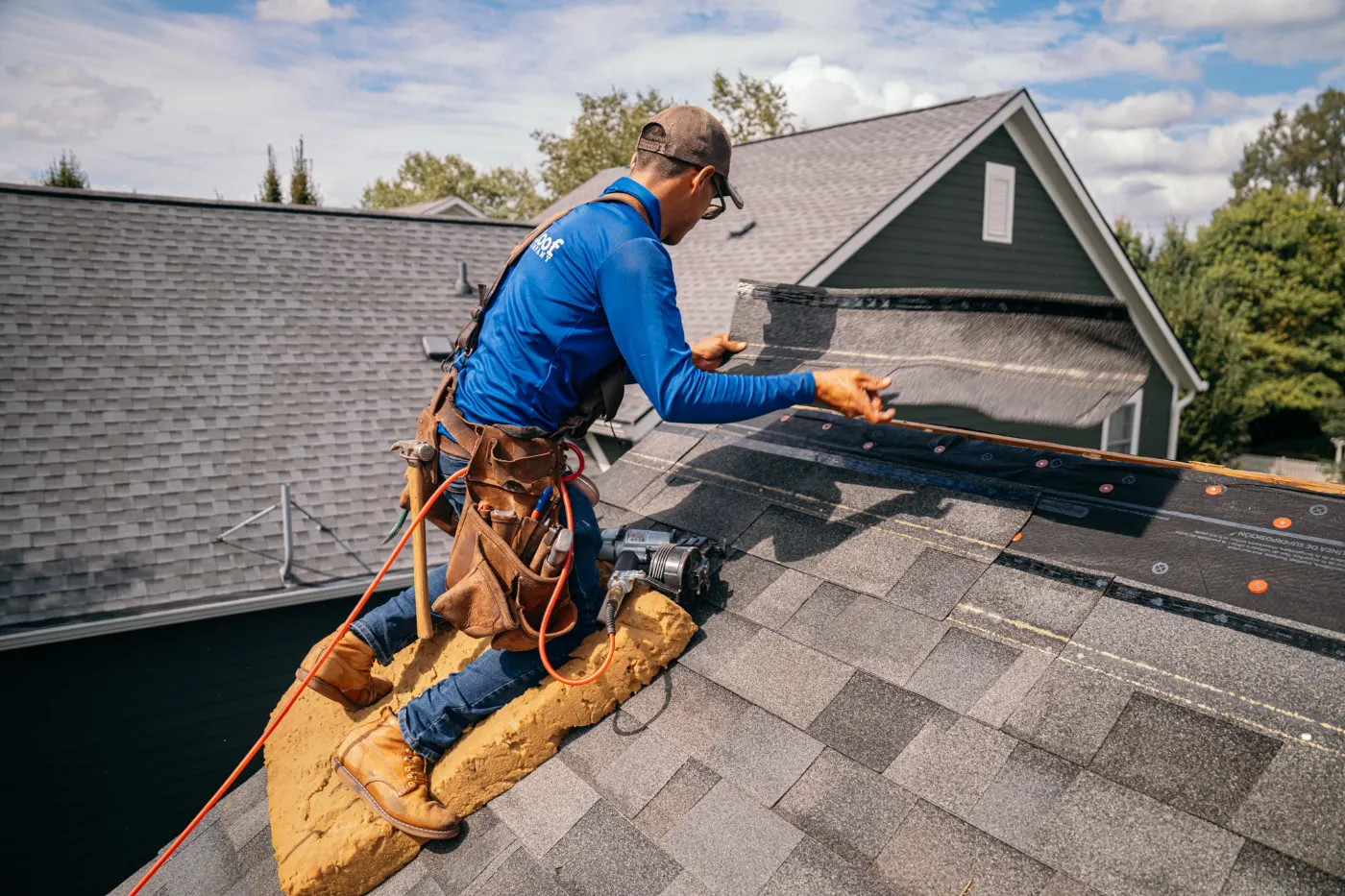


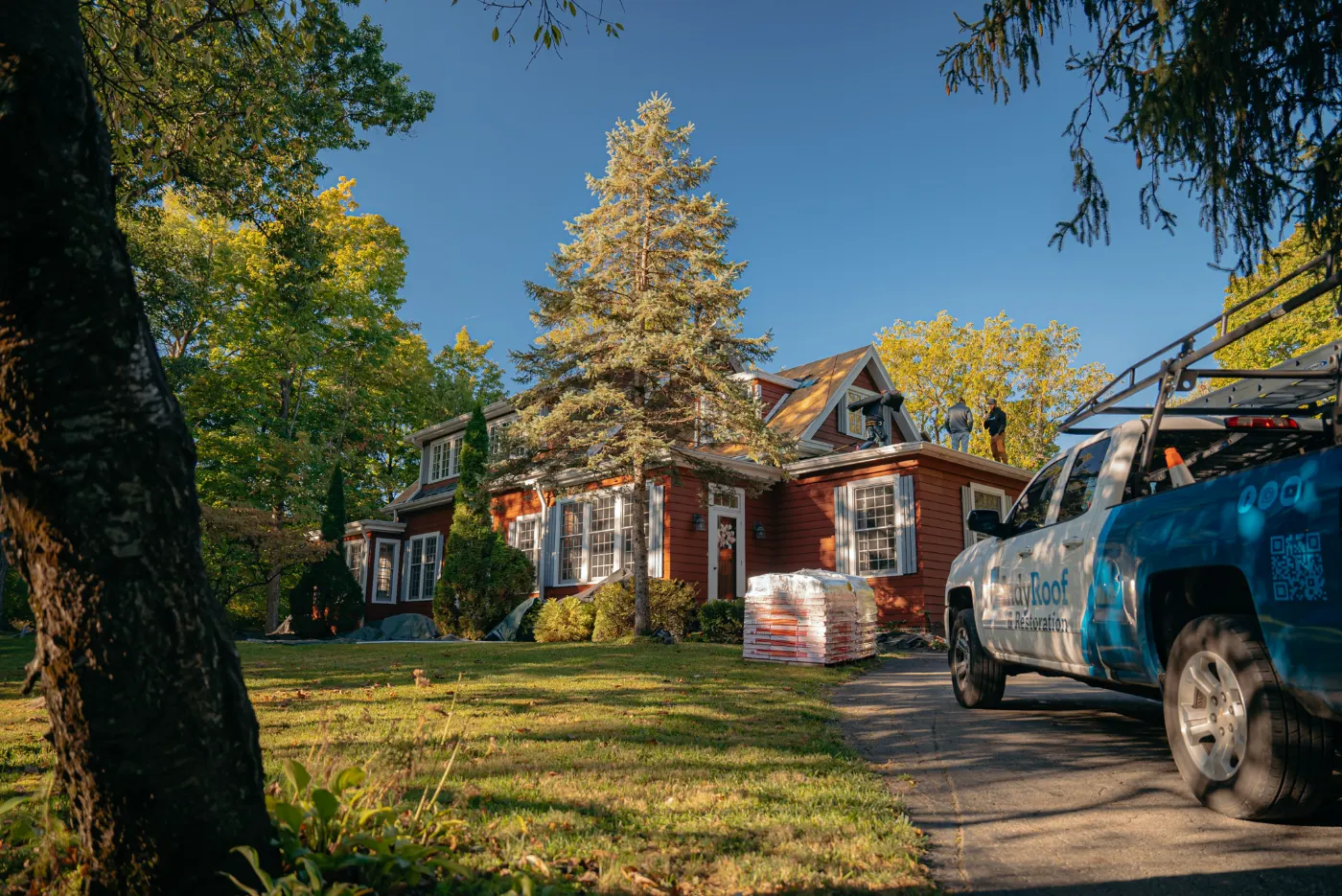
Roofing Systems Compared in Dugger
A quick look at the four residential systems we put on most homes, priced the way typical Dugger installations run.
Typical Dugger market ranges as of 2026. The plus sign on upper numbers means your project may exceed the listed maximum based on inspection findings. Get a written scope and quote at no cost.
Dugger Roofing is powered by Indy Roof & Restoration
One company stands behind this page: Indy Roof & Restoration, with its license and its reputation on every job. They have been local to central Indiana since 2018, close enough to know Dugger block by block. That reputation is measurable: 4.9 stars across 2,307+ verified Google reviews and counting.
Licensed and insured · License #RC21100059
They carry Owens Corning Preferred Contractor, Malarkey Certified Contractor, BBB A+ Accredited and Google Google Guaranteed. The company has been featured on FOX59, WISH TV, and RTV6.
Expert Dugger Roofing Crews Available Now
Whether a storm just came through, your Dugger roof is showing its age, or you are simply planning ahead, now is a fair time to get real eyes on it. Schedule a free inspection with Dugger Roofing, no obligation, and we will document everything you need for your claim.